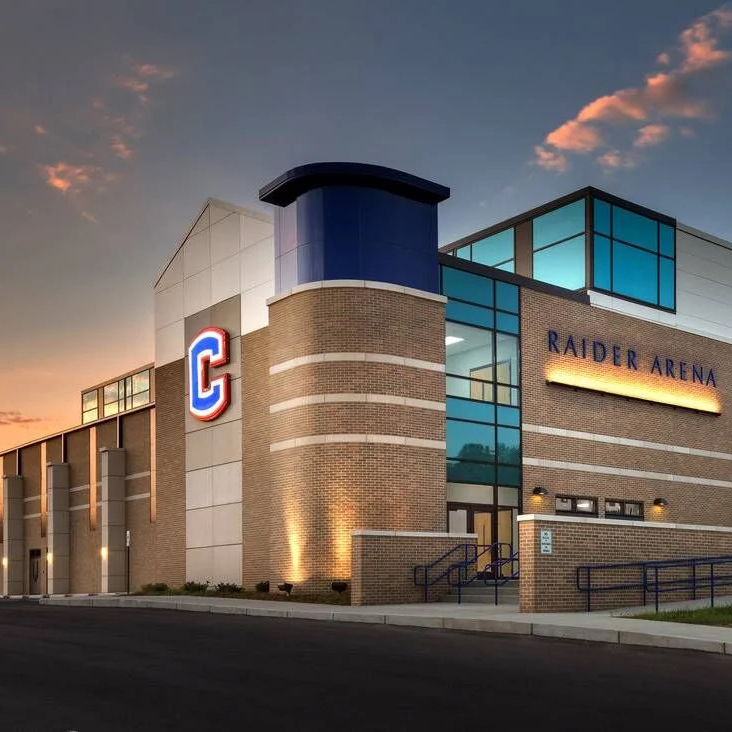
Cleveland City Schools Turn the Tide on Bathroom Vandalism
For years, Cleveland High School faced a growing and costly challenge: Bathroom vandalism had become a daily disruption, draining district resources and overwhelming custodial teams.
Often stemming from viral trends and challenges, toilets were repeatedly clogged with drink bottles, vapes, paper towels, and even whole pieces of fruit. Soap and toilet paper dispensers were ripped from walls. Graffiti appeared faster than it could be cleaned. Flooded restrooms forced custodians into constant crisis mode, bouncing from one emergency to the next.
The result was significant maintenance man-hours, rising replacement costs, and a stressed team that struggled to keep up.
“In facilities, you quickly learn that bathrooms are the hardest points of service during the school day. Especially in large middle and high schools, it felt like we could never get ahead. By the time one situation was fixed, another one popped up on the other side of the building.”
– Jayme Nance, SSC Unit Director at Cleveland City Schools
As the situation escalated, district leadership began searching for a different approach.
The Director of Schools and the Director of Operations partnered with Jayme and her team to rethink the model entirely. The question was simple but bold: What if someone was always there?
Inspired by the constant upkeep seen at high-traffic travel centers, the group developed what they now call the “Buc-ee’s Bathroom Model.”
Instead of reacting to damage after it occurred, the district invested in prevention.
“We asked ourselves, what if we had people whose only job during the day was restrooms,” Jayme explained. “Cleaning, stocking, monitoring, and reporting issues in real time.”
Implementing the Buc-ee’s Bathroom Model
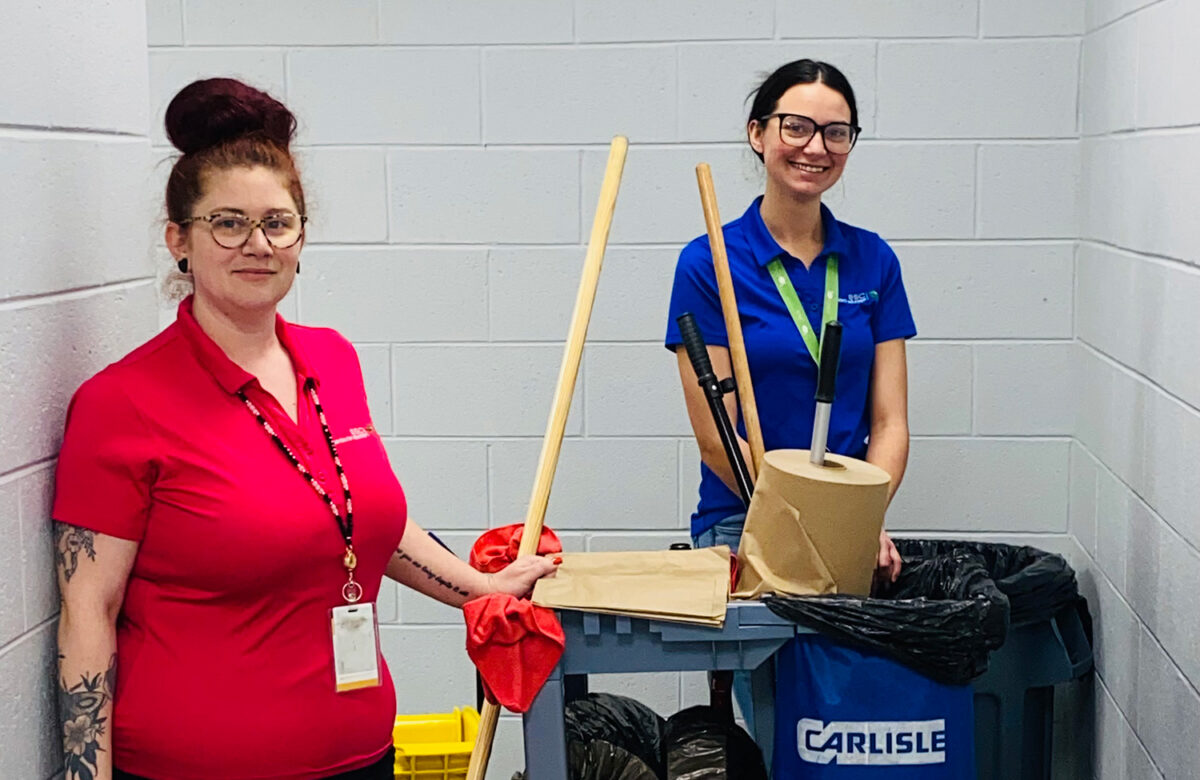
Cleveland City Schools and SSC designated four bathroom attendants, two for middle school and two for high school, who rotate in four-hour shifts and made rounds throughout the day. They wear distinct attire, so students and staff immediately recognize their role. This also prevents them from being pulled into unrelated tasks.
“We wanted them focused 100 percent on the bathrooms,” Jayme said. “Their job is to circulate, clean, restock, and report anything they see immediately.”
If vandalism does occur, attendants photograph the issue and report it right away. This has helped school administrators narrow down timeframes, review camera footage, and take action when needed.
Just as importantly, their presence provides consistent adult supervision.
“The kids know someone is always nearby now,” Jayme said. “That window of opportunity to do something destructive is extremely small.”
Results That Speak for Themselves
-
- Bathroom vandalism has dropped, becoming nearly nonexistent.
- Work orders related to restroom flooding, vandalism, and emergency cleaning have been reduced by almost 100 percent.
- Maintenance costs have declined sharply.
- Product waste has been significantly reduced.
- Plumbing repairs tied to flushed items are rare.
The impact was immediate and dramatic. Equally important, morale has improved.
“This has made my staff’s lives so much easier,” Jayme shared. “They can actually do their jobs and support our partners without constant crisis, and that matters.”
Staying Ahead of the Problem
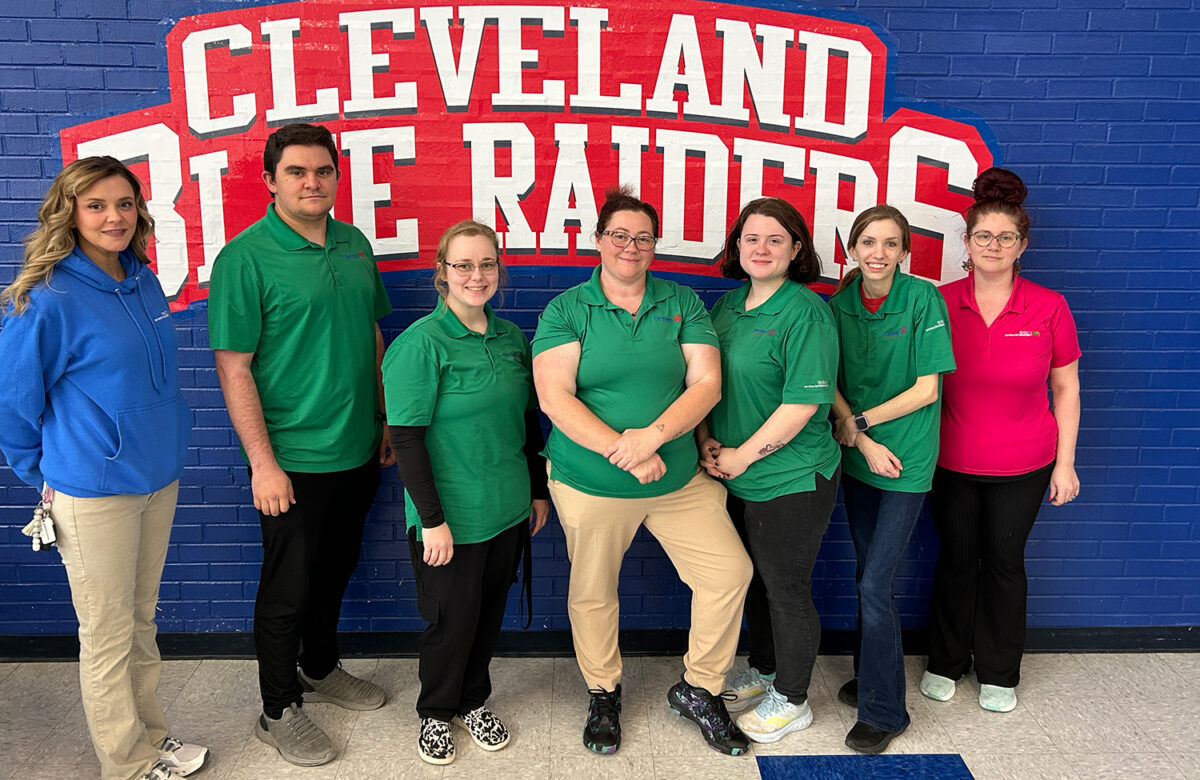
Jayme’s commitment to protecting her teams and school facilities goes far beyond traditional responsibilities.
Knowing that many vandalism incidents originate from social media challenges, she actively monitors emerging TikTok trends tied to school behavior.
“I keep an eye on what’s circulating online so we’re not caught off guard,” Jayme said. “If I see something starting to trend, I alert the district immediately so we can respond before it becomes a bigger issue.”
This proactive approach has helped school leadership identify threats early, narrow down timelines using camera footage, and intervene quickly. By staying informed and vigilant, Jayme has helped stop potential vandalism incidents before they escalate, further reducing damage, stress on staff, and disruptions to the school day.
A Win for Students, Staff, and the District
The benefits go beyond cost savings. Students now view their restrooms as cleaner, safer, and better maintained spaces. Staff feel supported rather than stretched thin.
Jennifer Friz, Regional Vice President at SSC, emphasized the broader impact.
“This model changed the culture around restrooms,” Friz said. “It protected the facilities, supported our custodial teams, and created a better experience for students. It was a smart investment that paid off quickly.”
The Power of Partnership
This success would not have been possible without the strong, trust-based partnership between the district and our team. Years of collaboration, open communication, and mutual respect created the foundation that allowed real problems to be discussed honestly and solutions to be developed together.
Because that relationship already existed, our team had a seat at the table. District leadership listened, asked questions, and worked side by side with operations to reason through the challenges, review the data, and commit to a new approach.
“When you have a true partner, you’re not just reacting to problems,” said Jennifer. “you’re working together to prevent them. That’s exactly what happened here.”
This initiative is a clear example of what can be accomplished when a district and its service partner operate as one team with a shared goal of supporting students, staff, and facilities.
A Model Worth Replicating
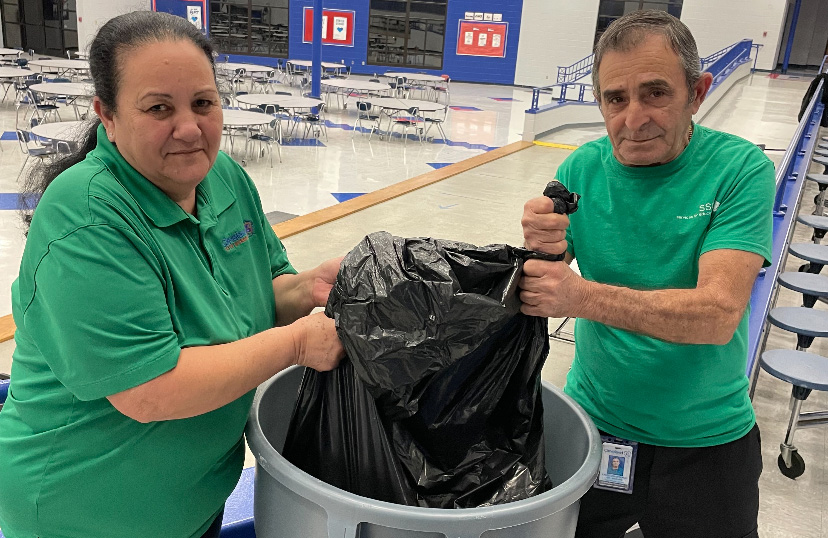
What began as a response to escalating vandalism has become a blueprint for proactive facility management.
By shifting from reactive repairs to constant presence and prevention, Cleveland’s schools have transformed one of their biggest daily challenges into a success story.
As Jayme summed it up, “Sometimes the solution is not more repairs. It’s being there before the damage happens.”
For additional stories about our services, browse the content in our news center and follow us on LinkedIn, Facebook, and Instagram.