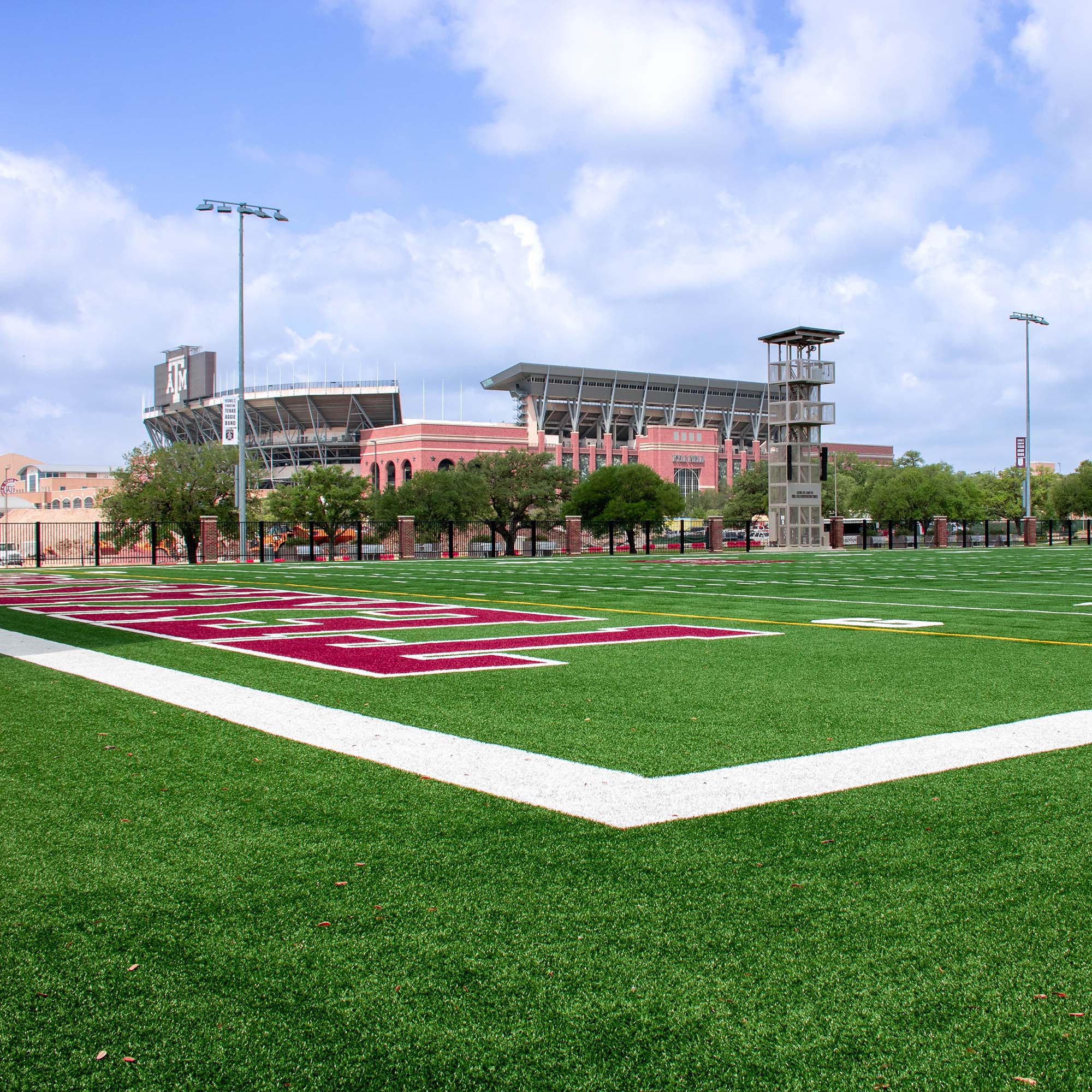
Reframing Athletic Facilities as Strategic Assets in the Modern Era of College Sports
College athletics is entering one of the most transformative periods in its history. With NIL reshaping financial models and competitive expectations, athletic departments across the country are being asked to do more than ever with increasingly constrained resources.
At the center of this shift is an often overlooked variable that directly shapes performance, recruitment, safety, and long-term stability: the facilities themselves.
The question is no longer how do we fix things when they break, but how do we create predictable, high-performing environments that support athletes, coaches, fans, and institutional goals year-round?
That answer lies in how we manage and maintain the spaces that carry our teams.
What Athletic Facilities Were Viewed as Before: functional necessities, spaces to maintain when needed, renovate when possible, and operate as best as budgets allowed.
What Athletic Facilities are Now: strategic assets that influence nearly every measurable outcome in athletics.
The Hidden Cost of Reactive Maintenance in Athletics
For many institutions, maintenance has long followed a predictable but problematic pattern: respond when something fails or breaks.
This approach may appear cost-efficient in the moment, but it introduces volatility into nearly every aspect of an athletic department’s operations.
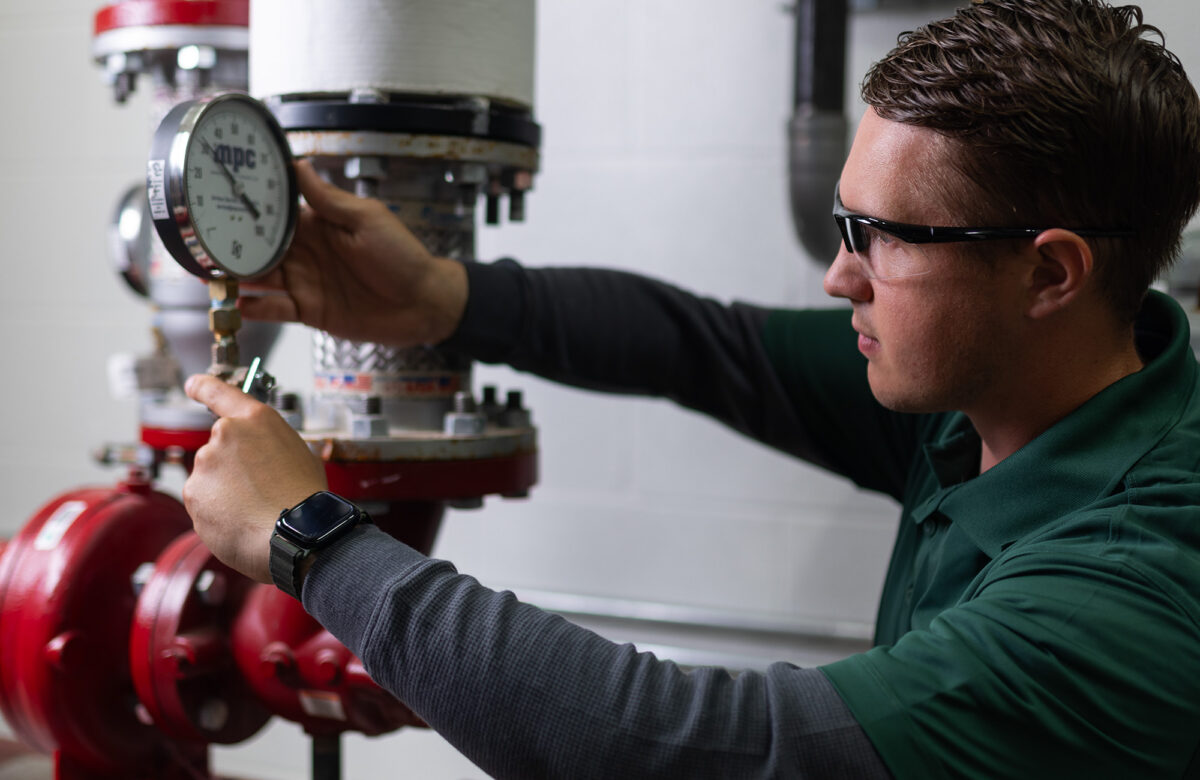
A failed HVAC system during summer conditioning isn’t just a building issue. It’s an interruption to training cycles, a potential safety hazard, and a challenge to trust between athletes and staff.
A flood in a locker room before a major event affects competitive readiness, recruiting optics, and the overall perception of institutional reliability. These disruptions accumulate slowly and often quietly, but their collective impact is significant.
Reactive maintenance also accelerates wear on equipment, shortens asset lifespan, and widens deferred maintenance backlogs, snowballing into an increasingly large deferred maintenance problem.
The result is a cycle in which departments spend more, achieve less, and operate with far less control than they should.
The Case for a Proactive, Data-Driven Approach
When facilities teams understand the true condition of their systems, they can plan capital investments years in advance, support short and long-term budgeting with real data, and eliminate unwelcome surprises. Proactive maintenance is not simply a better way to repair buildings; it is a fundamentally different operational philosophy.
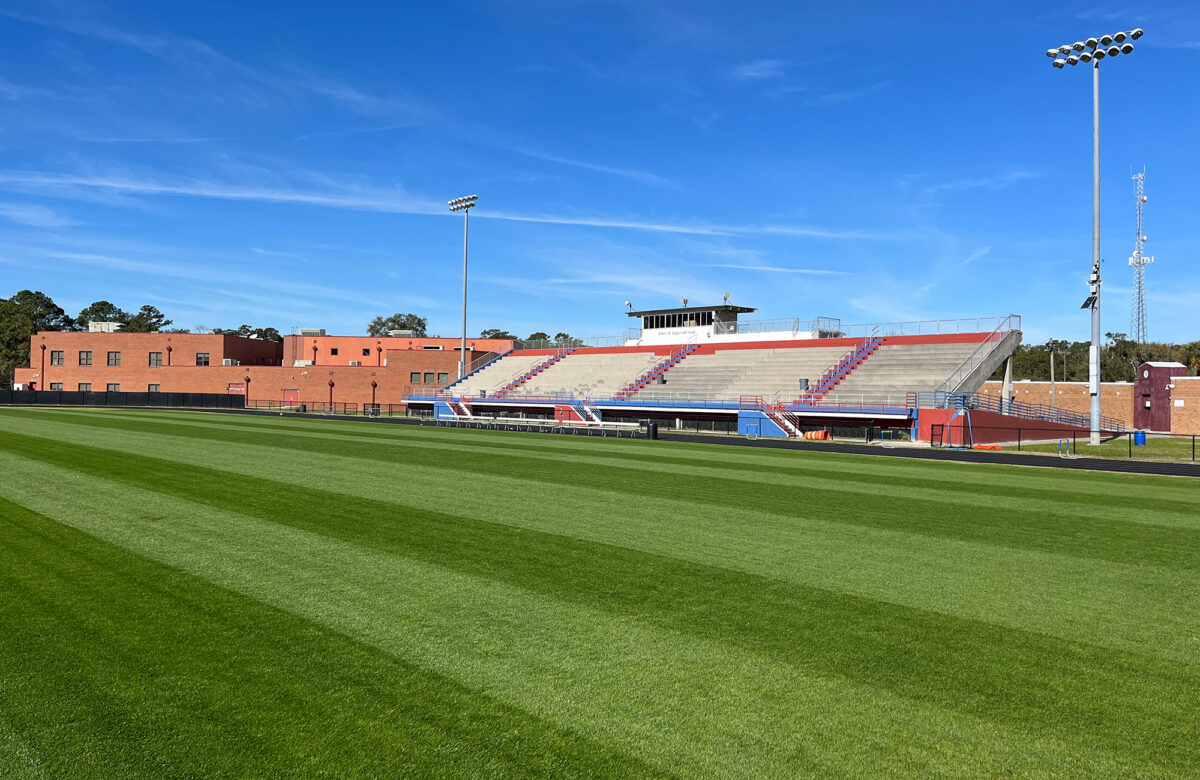
Instead of waiting for failures, proactive systems anticipate them through:
-
- Scheduled inspections
- Thermographic and vibration diagnostics
- Lifecycle modeling
- Consistent documentation
This shift builds predictability, and predictability is what allows athletic departments to operate confidently.
When athletic spaces are consistently clean, safe, and event-ready, the focus returns to performance, experience, and competitive goals, not crisis management.
The Efficiencies are Meaningful for College Sports
Institutions routinely see dramatic reductions in downtime, improved asset longevity, stronger safety performance, and operational models that reflect the level of excellence expected in modern athletics.

For large campuses, savings can reach hundreds of millions of dollars over time, not because of cost cutting, but because proactive maintenance prevents the spiraling costs of avoidable failures.
College campuses are complex ecosystems. Custodial teams, grounds crews, maintenance technicians, and project managers all influence the way athletic facilities function, often in ways that go unseen.
When these teams work in silos, gaps form: communication breaks down, response times lag, and institutional goals become harder to achieve.
Facilities Integration Matters for Athletics
When operations are unified, however, the entire campus benefits. Integrated facilities models create a clear chain of accountability and eliminate the ambiguity that so often delays repairs, complicates event preparation, and fractures ownership.
They also allow athletics departments to leverage broader institutional knowledge, leading to more consistent standards across campus and a deeper understanding of how student and athlete experiences intersect.
Importantly, a unified model strengthens safety and quality control. With nearly all work self-performed, institutions gain confidence that the people maintaining their environments understand both the standards of higher education and the unique demands of athletics.
Your Facilities Influence:
-
- Athletic Experience & Well-Being
- Recruiting and Retention
- Fan Engagement
- Operational Reality
- NIL Storytelling and Donor Confidence
How Facilities Drive Competitive Growth
In the current era, competitiveness is influenced as much by the quality of a team’s environment as by its budget.
Athletes expect safe, efficient, high-performing spaces. Recruits evaluate locker rooms, training facilities, and practice surfaces long before they look at playbooks. Fans demand seamless, enjoyable experiences that feel aligned with the program’s brand.
Facilities underpin all of this. Elite programs are focusing on:
1. Reducing hidden costs and risks tied to reactive maintenance
2. Stabilizing operations through proactive, data-driven strategies
3. Reinvesting freed resources into athlete-focused and NIL-aligned priorities
You may not be able to outspend the largest programs, but you can out-execute them in operational excellence. When athletic departments elevate the reliability and performance of their facilities, they level the playing field in meaningful and measurable ways.
A Smarter Path Forward for College Athletics
The future of athletic success does not rely solely on capital expansion. In fact, many institutions will achieve far greater impact by focusing on the assets they already have and managing them with the seriousness and strategy they deserve.
A thoughtful facilities roadmap should begin with a comprehensive assessment that clearly defines risk, opportunity, and necessary investment.
From there, leaders can identify immediate operational wins, design habits, and expectations around event readiness, and establish a cadence of reporting that highlights progress and ensures accountability. College athletics is evolving quickly. The programs that thrive in this new era will be those that understand their facilities not as burdens, but as engines that drive safety, performance, consistency, and long-term competitive strength.
The assets are already on campus. The opportunity lies in how we choose to manage them.
meet the author
James Spencer serves as Vice President of College Partnerships for SSC Services for Education, where he focuses on creating aligned, strategic facilities partnerships that support institutions and elevate the student experience.
For additional stories from our industry experts, browse the content in our news center and follow us on LinkedIn, Facebook, and Instagram.