
Rethinking Technology in Facilities Management
Facilities leaders are surrounded by new technology. Sensors, dashboards, mobile devices, and analytics platforms promise better visibility and smarter decisions.
Technology is powerful, but only when it is positioned correctly. It is not a cure—it supports the business in powerful ways, but it is never the answer on its own. Organizations that are seeing real results are not the ones chasing every new tool. They are the ones grounding technology in strong processes and a deep understanding of how work actually gets done.
This mindset is becoming essential as facilities management continues its shift toward data-driven operations.
creating impactful moments
Facilities Are Complex, Living Environments
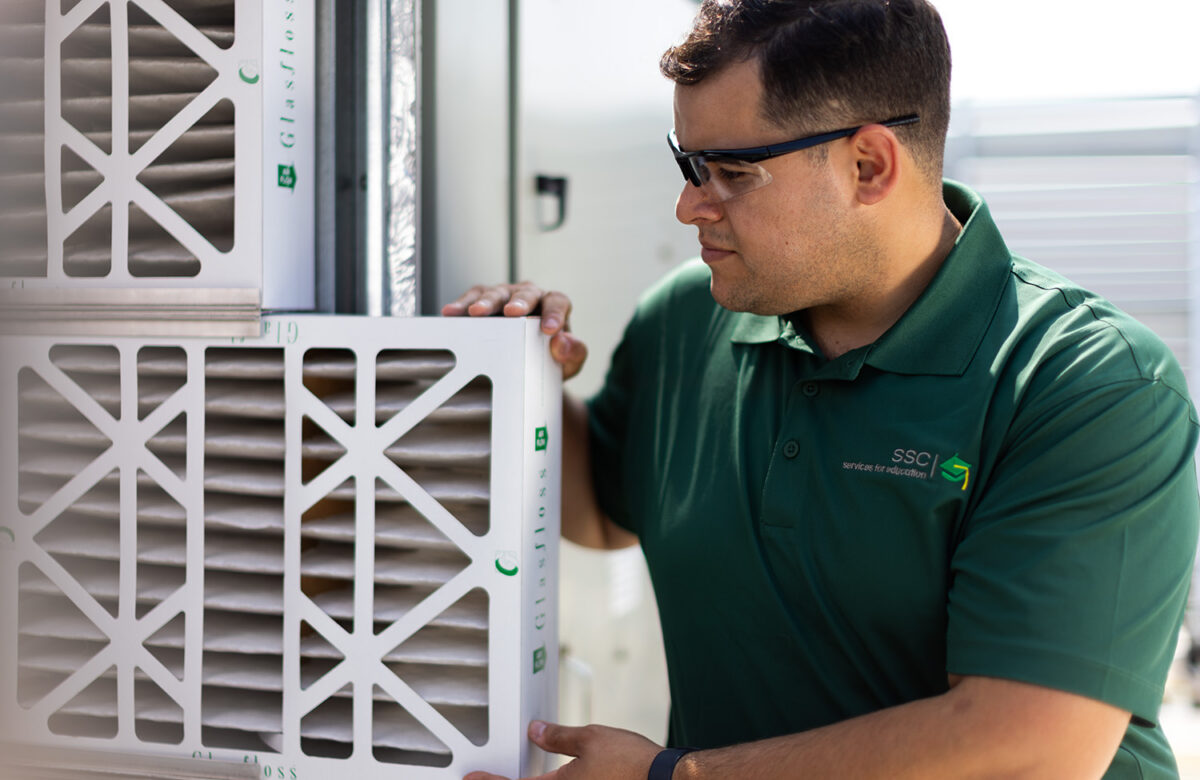
Large campuses and portfolios function like small cities. Universities, healthcare systems, and corporate environments manage millions of square feet, hundreds of buildings, and round-the-clock activity.
According to APPA¹, the average research university manages more than 15 million square feet of space, requiring constant coordination across trades, services, and shifts.
In these environments, facilities performance is shaped by interconnected systems rather than individual tools. Success depends on aligning people, processes, and technology so they reinforce each other rather than compete for attention. Technology does not live in a bubble.
Industry data supports this view. Nearly 70% of digital transformation efforts fail to meet their objectives, most often due to people and process challenges rather than technical limitations. In facilities management, this gap shows up quickly when tools are deployed without clear workflows, ownership, or accountability.
McKinsey²
the people matter
The Role of Technology in Facilities Management
One of the most common missteps in facilities innovation is assuming that technology will automatically improve performance.
Technology must be:
1. Tied to how people work every day
2. Paired with operational clarity
3. Flexible and work alongside behavioral change
how do you choose?
Frontline Realities Matter More Than Features
Designing technology around frontline realities is a required perspective when considering tools to implement. Even small changes can create complexity when applied at scale.

For custodial teams, a new device may only add a few steps at the beginning and end of a shift. But on a site with hundreds of employees, those steps require new supervisory processes, daily controls, and clear accountability.
Without that structure, devices are lost or damaged and costs rise. Verdantix³ research shows that adoption of facilities technology can decline by up to 40% when frontline workflows are not fully considered during implementation.
The lesson is clear. Success is less about the sophistication of the tool and more about how seamlessly it fits into the workday.
being a change maker
The Evolving Role of the Facilities Leader
As data becomes more central to facilities operations, leadership expectations and core competencies are changing. The next generation of facilities leaders must be:
-
- Fluent in process thinking, not just technology, understanding workflows and where bottlenecks exist
- Capable of defining and measuring meaningful outcomes
- Knowledgeable of how technology plays a critical role, but only as an enabler
- Experts in introducing change the right way, engaging teams early and positioning technology as something that supports operations, rather than disrupts them
When change is led by operations and built with input from the people doing the work, adoption follows naturally.
data, data everywhere
Moving From Data Collection to Data-Driven Action
Many organizations collect large volumes of facilities data, yet struggle to turn it into results. There is a clear distinction between those who collect data and those who use it effectively.
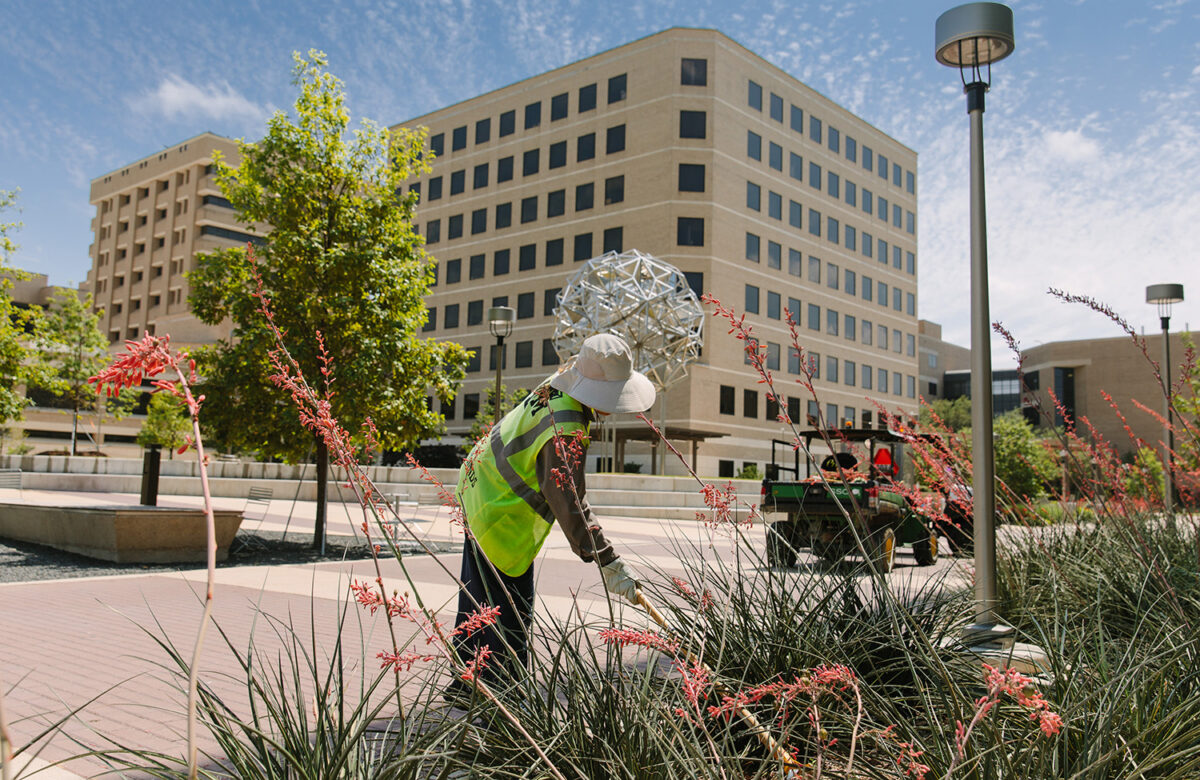
High-performing organizations invest time to:
1. Understand the current state: How work is done, who is involved, and the outcomes
2. Define the future state: How operations should function when optimized
3. Set data-driven outcomes: Determine how the data should help the organization
4. Bridge the gap: Identify the resources and technology to get there
IBM⁴ research shows that organizations that define data requirements and business outcomes early are twice as likely to achieve measurable value from analytics initiatives.
Skipping these steps may feel faster, but it almost always leads to rework and delays. Taking a focused, disciplined approach narrows the gap between where an organization is and where it wants to be.
keep your eye on the target
Qualifying Data Before You Trust It
One of the most important disciplines is qualifying data before organizations rely on it to make decisions.

In facilities management, data only becomes valuable when it is intentionally tied to real operational outcomes, not simply because it is available.
To begin, you must understand the current state. Facilities teams need to clearly document how work is performed today, who is involved, and where variability or friction exists. Without this baseline, data lacks context and can easily be misinterpreted.
From there, leaders define a future state that reflects how operations should function when they are optimized, supported by technology rather than driven by it. Only after these steps are complete does data qualification truly begin.
At this stage, requirements gathering is highly important, as well as defining the questions the organization needs the data to answer. Common data-driven goals for facilities leaders are to:
-
- Improve coverage
- Enhance quality assurance
- Reduce rework
- Optimize labor allocation
Data that does not support a defined outcome is noise, not insight. By qualifying data against process and purpose, facilities leaders can determine whether the information being collected is accurate, actionable, and worth sustaining.
This approach reduces rework, accelerates adoption, and ensures that dashboards and reports reflect operational reality.
Organizations that follow this discipline move faster in the long run because they avoid chasing metrics that look impressive but fail to drive meaningful improvement.
the first step
A Confident Start to the Journey
For organizations beginning their facilities data journey, the path forward does not require perfection, but it does require intention. Organizations must invest in understanding outcomes, analyzing current operations, defining the future, and planning the transition deliberately.
This foundation allows technology to amplify what facilities teams already do well and create space for continuous improvement.
shaped by data. driven by people.
Building Momentum for the Future
The future of facilities management will be shaped by data but driven by people. When technology is grounded in process and introduced with respect for frontline realities, it becomes a powerful tool for improving performance, controlling costs, and enhancing the occupant experience.
With the right approach, facilities teams move beyond reacting to issues and begin operating with clarity, confidence, and purpose. Technology does not lead the transformation. People do.
meet the author
Patrick Redmond serves as Vice President of Business Implementation & Technology at SSC Services for Education, leading a team that designs, builds, and deploys technologies at scale to propel operations forward for K-12 and universities across the nation.
Cited Sources:
1. gordian.com/uploads/2024/03/2024-State-of-Facilities-Report-V3.1.20240325211423380.pdf
2. mckinsey.com/capabilities/transformation/our-insights/why-do-most-transformations-fail-a-conversation-with-harry-robinson
3. verdantix.com/venture/report/market-insight-use-cases-and-adoption-challenges-for-ai-in-risk-management
4. ibm.com/
For additional stories from our industry experts, browse the content in our news center and follow us on LinkedIn, Facebook, and Instagram.